

Intra-Articular Joint Injections
Using PRP/Growth Factors
Platelet-rich plasma (PRP) and exosomes are regenerative treatments for joint pain, often used to manage osteoarthritis (OA) and cartilage injuries. While PRP has been used for years, exosomes are an emerging "cell-free" therapy that researchers believe may be the key to how PRP and stem cells actually work.
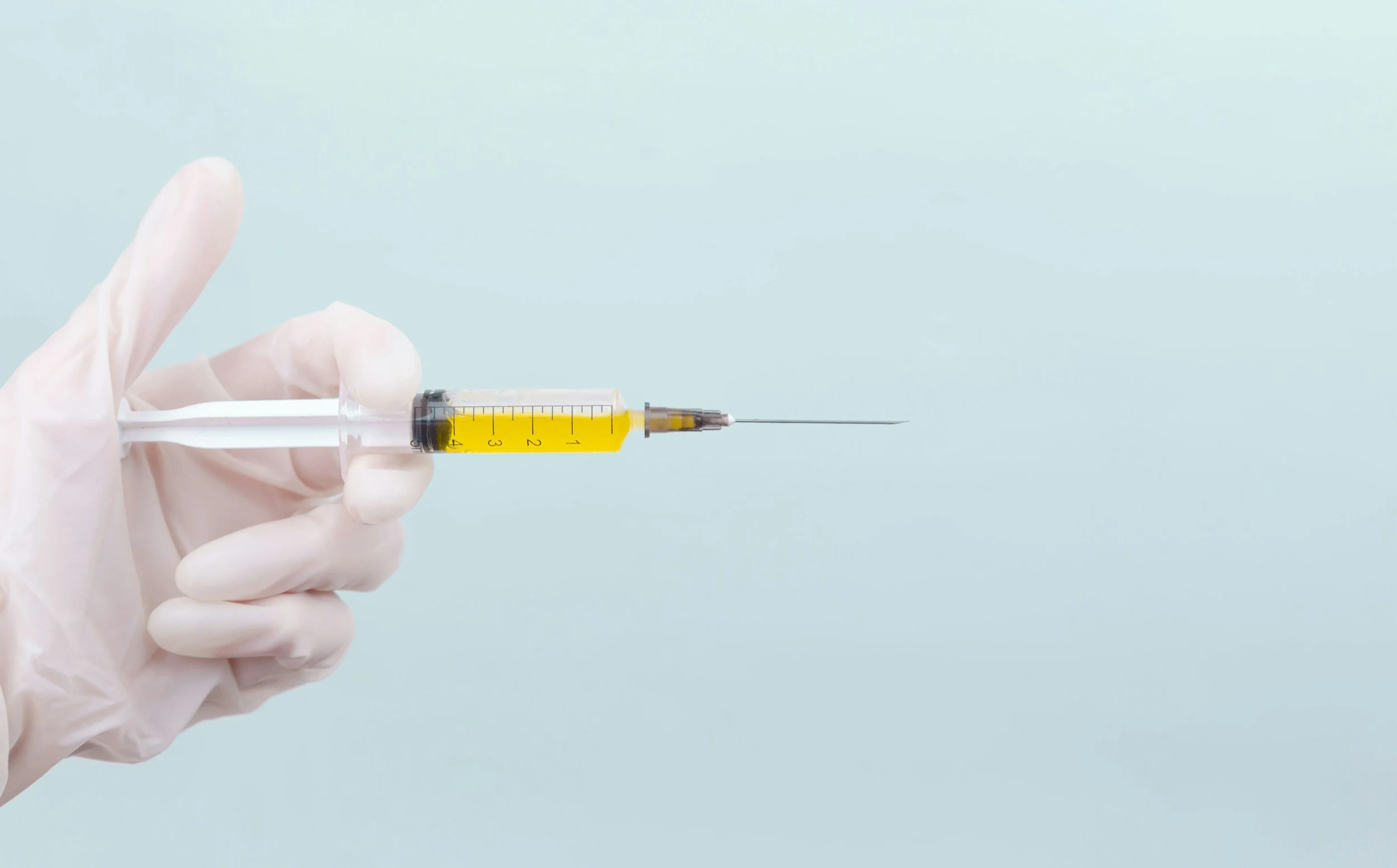
About Intra-Articular Joint Injections
WHAT IT IS
An intra-articular (IA) joint injection is a non-surgical procedure where medication is delivered directly into the space of a joint. The primary goal is usually to reduce inflammation, alleviate pain, and improve mobility in the affected area.
What is it used for?
Doctors typically recommend these injections when conservative treatments like physical therapy or oral anti-inflammatories haven't provided enough relief. They are most commonly used for the knees, hips, and shoulders, but can also be used in smaller joints like the wrists, ankles, and fingers.
Commonly treated conditions include:
Osteoarthritis (wear-and-tear arthritis).
Rheumatoid arthritis and other inflammatory conditions.
Gout and pseudogout.
Bursitis or tendinitis.
Types of Injections
Several different substances can be injected depending on the condition being treated:
Platelet-Rich Plasma (PRP): This uses the patient’s own blood to promote healing and reduce inflammation.
What Are Growth Factor Injections?
Growth factor injections are a next-generation regenerative treatment that taps into the body’s innate ability to heal itself. These injections isolate and concentrate healing proteins, called growth factors, from your blood or other biologic sources to repair damaged tissue, reduce inflammation, and promote regeneration at the site of injury.
Use of growth factor injections as part of an advanced, personalized treatment plan to accelerate recovery and restore mobility without surgery or long-term medication. These therapies are especially valuable for patients who are recovering from orthopedic injuries, managing chronic pain, or looking for a non-surgical solution to joint and soft tissue degeneration.
HOW IT WORKS
Platelet-Rich Plasma (PRP)
This is a biologic treatment that uses your own blood.
Healing Signals: Concentrated platelets release "growth factors" that act as messengers, calling repair cells to the area.
Environment Reboot: It shifts the joint environment from a "catabolic" state (breaking down) to an "anabolic" state (building up) by suppressing enzymes that destroy cartilage.
Conditions Growth Factor Injections Can Help
Growth factor injections are ideal for musculoskeletal and soft tissue injuries that haven’t responded to traditional treatments. They stimulate tissue regeneration by enhancing blood supply, reducing inflammation, and triggering cellular repair.
WHAT TO EXPECT
For Platelet-Rich Plasma (PRP) and Exosome joint injections, you should expect a different experience than standard steroid shots. While steroids provide nearly instant numbing, regenerative treatments like these work by triggering your body's natural healing response, which actually involves a period of temporary "good" inflammation.
1. During the Procedure
PRP Preparation: If you are getting PRP, the process begins with a standard blood draw. Your blood is spun in a centrifuge for about 12–15 minutes to concentrate the platelets before injection.
The Injection: Most doctors use ultrasound guidance to ensure the needle reaches the exact joint space. You may feel a "sting" from the numbing agent, followed by a sensation of fullness or pressure as the fluid enters the joint.
2. Immediate Aftermath (First 48–72 Hours)
The "Flare": It is very common to feel increased pain, stiffness, or swelling for the first 2–3 days. This "flare" is a sign that the treatment is stimulating a repair response.
Activity Restrictions: Avoid strenuous exercise or heavy lifting for at least 2 weeks. Resume normal activities to keep blood flowing to joint.
Medication Warning: Do not take NSAIDs (Advil, Motrin, Aleve) for at least 2 weeks after the injection. These drugs block the very inflammation that PRP and exosomes need to work. Tylenol is usually permitted for pain.
The Procedure: How It’s Done
The experience depends largely on the source of the growth factors being used:
Ready-to-Use Growth Factors
There is no blood draw required; the serum is simply applied or injected.
Sensation: Most providers apply a topical numbing cream. You may feel a "prickling" sensation or slight pressure,
2. Immediate Aftermath (Days 1–3)
Downtime: Most people return to work the next day. However, you should avoid strenuous exercise, saunas, and heavy makeup for about 48 hours.
3. Long-Term Timeline
Unlike steroids, which peak in days, these treatments take weeks to show results as they gradually rebuild tissue
Frequently Asked Questions
Still have questions? Take a look at the FAQ or reach out anytime. If you’re feeling ready, go ahead and apply.
-
1. Are these treatments FDA-approved?
PRP: While the devices used to prepare PRP are FDA-cleared, the procedure itself is often used "off-label" for joint pain.
2. Which is "better" for my joint?
The choice often depends on your age and health:
PRP depends entirely on the quality of your own blood. Results can vary if you are older or have chronic inflammation.
Exosomes are lab-purified and potentially more consistent because they don't rely on your body's baseline health to be effective. Some clinics even combine them to provide both the healing "scaffold" of PRP and the advanced "signaling" of exosomes.
3. Can I drive myself home after the injection?
Upper Extremity: If the injection was in your shoulder, elbow, or wrist (without a nerve block) and you drive an automatic car, you may be able to drive home.
Lower Extremity: If the injection was in your hip, knee, or ankle, it is highly recommended (and often required) to have a driver. Local anesthesia or a nerve block can make your leg feel weak or numb for several hours, making driving unsafe.
4. What should I absolutely avoid afterward?
Anti-inflammatories (NSAIDs): Avoid Advil, Motrin, Aleve, and Aspirin for at least 2 weeks. These treatments rely on a controlled inflammatory response to work; NSAIDs can "cancel out" the benefits.
Ice: Many providers advise against icing the area for the first 48–72 hours, as heat and inflammation are necessary for the regenerative process.
High Impact: Avoid strenuous exercise or heavy lifting for at least 2 weeks to allow the material to settle in the joint.
5. How many injections will I need?
PRP: Often administered in a series of 2–3 injections spaced 4–6 weeks apart, though some patients find relief after just one.
Exosomes: Because they are highly concentrated, they are sometimes offered as a single treatment, but this varies by clinic and the severity of the condition.
6. When will I actually feel better?
Days 1–7: Expect an "inflammatory flare"—it may actually hurt more for a few days.
Weeks 2–6: Initial relief and improved mobility typically begin to appear.
Months 3–6: Most patients reach "peak" benefits during this window as the tissue environment stabilizes.